

Contents

Publications


Publications

Contents
New OPEC+ deal: how it will impact the tanker market
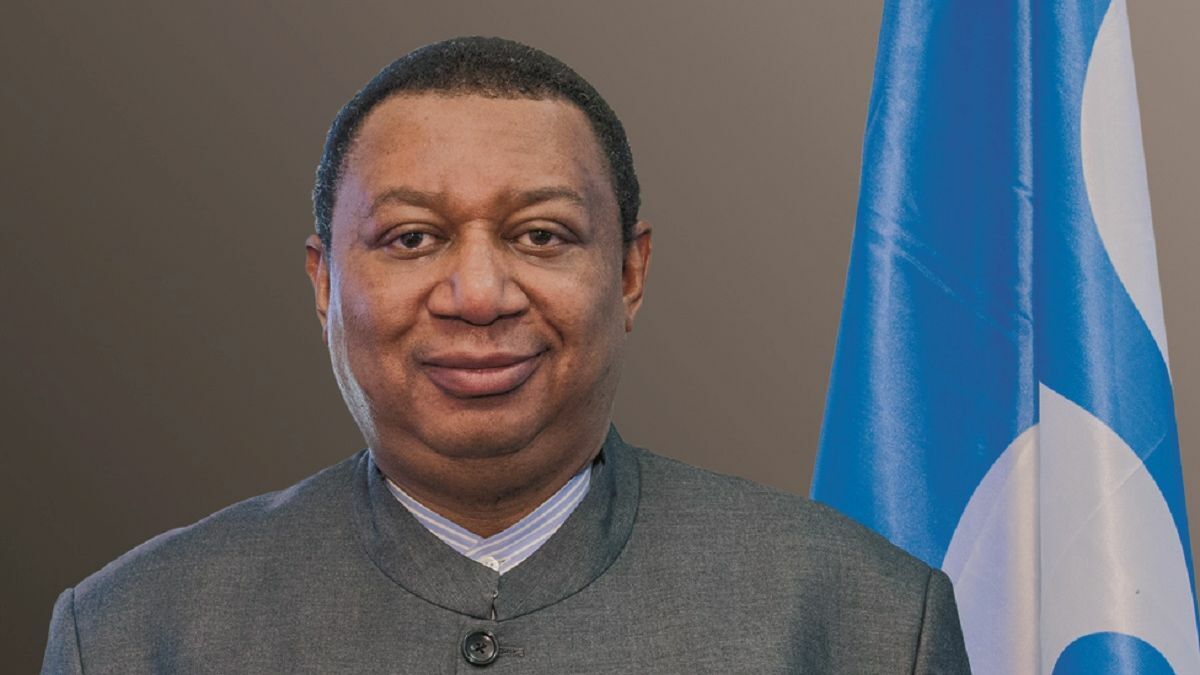
OPEC secretary general HE Mohammad Sanusi Barkindo quoted Nelson Mandela in his press statement reporting the crude oil cartel’s latest attempt to lift crude oil prices following Saudi Arabia’s efforts to punish Russia for not agreeing to a previous round of production cuts


“The people whose lives depend on this vital industry, many of whom work in our home countries, are waiting on us; the entire oil sector is expectant; the whole world is watching us,” said HE Mohammad Sanusi Barkindo in the statement.
The deal agreed on 10 April is not the 10M b/d cut mainline news headlines portray. OPEC and non-OPEC countries participating in the ’Declaration of Cooperation*’ have agreed to continue:
“…adjusting crude oil production by 10M b/d beginning on 1 May 2020, for an initial period of two months; then by 8M b/d from July to December 2020; and by 6M b/d from January 2021 to April 2022, in the interests of producers, consumers, and the global economy.”
According to the statement, the 10M b/d cut does not commence for several weeks, whereas the consensus among analysts is that the loss of demand is anything from twice to three times that amount.
Jefferies senior shipping equity analyst Randy Giveans noted the cuts are below the “20-25M b/d decrease in demand” and April crude oil has already been sold. Even if the cuts were larger, there will be a time lag before the impact is felt in the tanker market. Then there is the how much of the reduction is actually put in place. President Trump had telegraphed the new deal in a tweet, which Saudi Arabia and Russia later denied. The OPEC+ crude oil producers are notorious for not sticking to agreed production levels. This was one of the reasons for the spate between Saudi Arabia and Russia – Russia was accused of breaking agreed production limits.
By the time the new OPEC+ crude oil production cuts take place in May, the market will have been saturated with cheap crude oil for months. Land-based storage is nearly full and large tankers are achieving firm rates for storage duties. The price contango will still be in place long after the cuts have been initiated and oil products may continue to wander the globe looking for a buyer.
The low tanker orderbook (around 8% of supply) will cushion the tanker market when storage begins to unwind. As Euronav’s Hugo De Stoop noted, for some elderly tankers storage duties might be the last work they do before being scrapped. There will have to deeper and sharper cuts in crude oil production than the current deal to have a short-term impact on the tanker market.
* OPEC+ = Azerbaijan, Bahrain, Brunei Darussalam, Equatorial Guinea, Kazakhstan, Malaysia, Mexico, Oman, Russia, Sudan and South Sudan. These agreed on 1 January 2017 to limit crude oil production along with the OPEC countries.


Related to this Story


Events

Maritime Communications Webinar Week
 20 Jul 2020
 Online
Maritime Hybrid, Electric and Fuel Cells Webinar Week
27 Jul 2020ONLINE
Maritime Cyber Security Webinar Week
04 Aug 2020ONLINE
Offshore Webinar Week
11 Aug 2020ONLINE
Quick Links
London Office
Riviera Maritime Media Ltd,Mitre House, 66 Abbey Road,
Enfield EN1 2QN, UK
Phone: +44 20 8364 1551
Email: [email protected]
Singapore Office
Riviera Maritime Media Singapore Pte Ltd,1 Fusionopolis Place, 03-20, Galaxis,
Singapore 138522
Phone: +65 6809 1278
Email: [email protected]


