

Contents

Publications


Publications
Contents

Industry leader: Trevor Crowe, Director, Clarkson Research Services
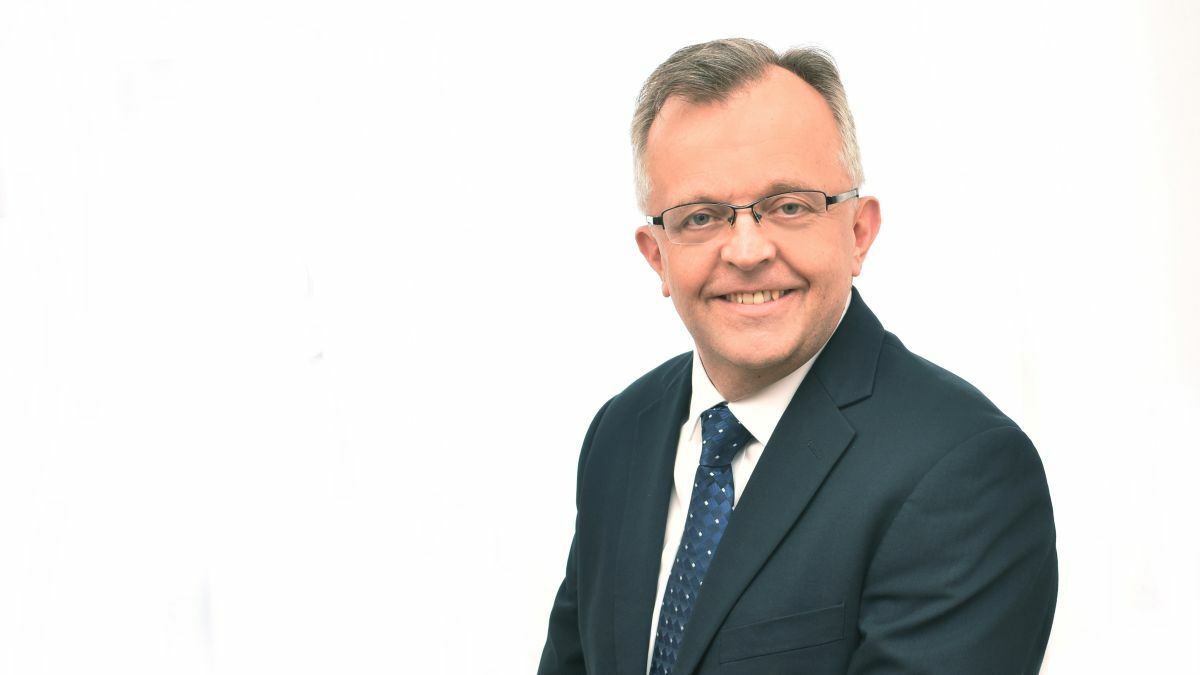
Clarkson Research Services director Trevor Crowe’s flair for statistical analysis led him to shipping research


Trevor Crowe has spent most of his career at Clarkson Research Services and has been a key part of its development for over two decades. He graduated from Oxford in 1993 having read philosophy, politics and economics and could have chosen an academic career. Instead, he chose to join Dr Martin Stopford in developing Clarksons Research which in the 1990s, was a small team within the Clarksons group.
“To a degree, my career development was organic,” says Mr Crowe. “Though given my background, skill-set and maritime economics interests it was always likely that I would gravitate towards shipping market research, intelligence and data.”
Under Dr Stopford the management structure of Clarksons Research was fairly vertical, but the demands across the business, plus the takeover of an offshore and energy research company, meant that a larger management team would be required.
“It is fair to say that, as time went by, there was a succession plan being put in place at Clarksons Research by which we would move from the management structure at the time, to something more closely resembling the management team and board that we have today, with myself leading our Market Research group and Stephen Gordon as the managing director of the business globally,” says Mr Crowe.
Mr Crowe says that he learnt a huge amount from Dr Stopford, both in terms of maritime economics but also in terms of how to provide data and intelligence in a way that customers and the industry at large would find useful, not to mention how to run a viable, profitable and sustainable research business in a competitive commercial environment.
“I learnt from the management at the time, Martin Stopford and Cliff Tyler, but I continue to learn from all of those at Clarksons Research today. One particular good piece of advice was to look to add people to the business with the ability to take the business beyond where it was at the time, to enable us to grow it further, and then to give them responsibility,” says Mr Crowe.
This is a philosophy Mr Crowe employs on a regular basis. He feels it is essential to empower managers and senior staff with well-defined responsibilities, and to create individual teams capable of open discussion and dialogue with senior management. As a manager, he is also pushing ahead with investment in future data, analytics and IT systems. “An increased degree of integration across our global research network has been important,” says Mr Crowe, “Together with keeping our data relevant, improving the technology, and the styling of delivery of the data to busy customers in a rapidly evolving marketplace.”


Related to this Story


Events

Offshore Wind Webinar Week
 02 Nov 2020
 ONLINE
Maritime Cyber Risk Management
03 Nov 2020GMT
Ballast Water Webinar Week
04 Nov 2020ONLINE
Offshore Support Journal, Middle East
09 Nov 2020GST
Quick Links
London Office
Riviera Maritime Media Ltd,Mitre House, 66 Abbey Road,
Enfield EN1 2QN, UK
Phone: +44 20 8364 1551
Email: [email protected]
Singapore Office
Riviera Maritime Media Singapore Pte Ltd,1 Fusionopolis Place, 03-20, Galaxis,
Singapore 138522
Phone: +65 6809 1278
Email: [email protected]


