

Contents

Publications


Publications

Contents
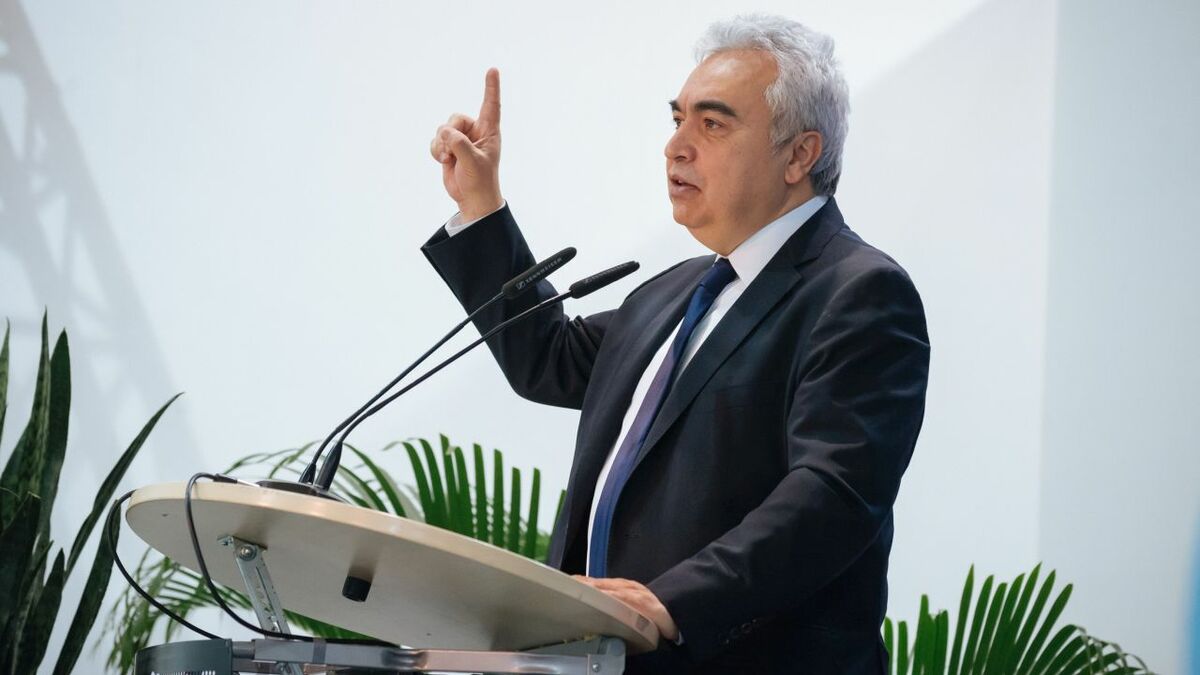
Covid-19 response ‘driving major shift towards low-carbon electricity’
A report from the International Energy Agency (IEA) that provides a near real-time picture of impact of Covid-19 on all major fuels – including coal, oil, gas, renewables and electricity – as well as carbon emissions, suggests that renewable energy is the standout performer in energy markets


The IEA said the Covid-19 pandemic represents the biggest shock to the global energy system in seven decades, with the drop in demand this year set to dwarf the impact of the 2008 financial crisis and result in a record annual decline in carbon emissions of almost 8%.
“This is a historic shock to the entire energy world. Amid today’s unparalleled health and economic crises, the plunge in demand for nearly all major fuels is staggering, especially for coal, oil and gas. Only renewables are holding up during the previously unheard-of slump in electricity use,” said IEA executive eirector Dr Fatih Birol. “It is still too early to determine the longer-term impacts, but the energy industry that emerges from this crisis will be significantly different from the one that came before.”
The Global Energy Review’s projections of energy demand and energy-related emissions for 2020 are based on assumptions that the lockdowns implemented around the world in response to the pandemic are progressively eased in most countries in the coming months, accompanied by a gradual economic recovery.
The IEA said changes to electricity use during lockdowns have resulted in significant declines in overall electricity demand. Full lockdowns have pushed down electricity demand by 20% or more. Electricity demand is set to decline by 5% in 2020, the largest drop since the Great Depression in the 1930s.
At the same time, lockdown measures are driving a major shift towards low-carbon sources of electricity including nuclear, hydropower, wind and solar PV. After overtaking for the first time ever in 2019, low-carbon sources are set to extend their lead this year to reach 40% of global electricity generation – 6 percentage points ahead of coal.
Electricity generation from wind and solar PV continues to increase in 2020, lifted by new projects that were completed in 2019 and early 2020.
This trend is affecting demand for electricity from coal and natural gas, which are finding themselves increasingly squeezed between low overall power demand and increasing output from renewables.
As a result, the combined share of gas and coal in the global power mix is set to drop by 3 percentage points in 2020 to a level not seen since 2001.
“Renewables are set to be the only energy source that will grow in 2020,” the IEA said, “with their share of global electricity generation projected to jump thanks to their priority access to grids and low operating costs.
“Despite supply chain disruptions that have paused or delayed deployment in several key regions this year, solar PV and wind are on track to help lift renewable electricity generation by 5% in 2020, aided by higher output from hydropower.”
“Resulting from premature deaths and economic trauma around the world, the historic decline in global emissions is absolutely nothing to cheer,” said Dr Birol. “And if the aftermath of the 2008 financial crisis is anything to go by, we are likely to soon see a sharp rebound in emissions as economic conditions improve.
“But governments can learn from that experience by putting clean energy technologies – renewables, efficiency, batteries, hydrogen and carbon capture – at the heart of their plans for economic recovery. Investing in those areas can create jobs, make economies more competitive and steer the world towards a more resilient and cleaner energy future.”
Riviera will host a week of free to attend 45-minute webinars focused on offshore wind commencing 8 June. Register your interest now


Related to this Story


Events

Maritime Leaders Webinar Week
 22 Jun 2020
 ONLINE
Marine Fuels Webinar Week
29 Jun 2020ONLINE
Marine Coatings Webinar Week
06 Jul 2020ONLINE
Marine Lubricants Webinar Week
14 Jul 2020ONLINE
London Office
Riviera Maritime Media Ltd,Mitre House, 66 Abbey Road,
Enfield EN1 2QN, UK
Phone: +44 20 8364 1551
Email: [email protected]
Singapore Office
Riviera Maritime Media Singapore Pte Ltd,1 Fusionopolis Place, 03-20, Galaxis,
Singapore 138522
Phone: +65 6809 1278
Email: [email protected]


